- Get link
- X
- Other Apps
THE HOOK
This week, buy nothing. No new shop, no fresh meat, no last-minute run for one missing thing. Five dinners, four servings each, twenty servings in total — all from food already sitting in the cupboard, the freezer, and the egg box. What leaves your wallet this week: $0. That is not a trick, and it is not a claim that the food was free. The food in the cupboard cost money when it was bought. So this article prices it honestly both ways: $0 new spend this week, and a pantry value of $9.40 for the food actually used — which is $9.40 ÷ 20 = 47¢ a serving. The full arithmetic is at the end, line by line, and every price in it is a price already published on this blog. No new price has been invented. One honesty condition, up front: the $0 only works if your cupboard already holds the eight items below. If you are missing one, this is not your week — try the $17.87 week or the $50-week plan instead, and come back to this one the week your cupboard is full. The pantry week is a bridge week: between paychecks, before the big shop, or in the week before Thanksgiving when the food budget is already spoken for.
WHAT "PANTRY" MEANS HERE
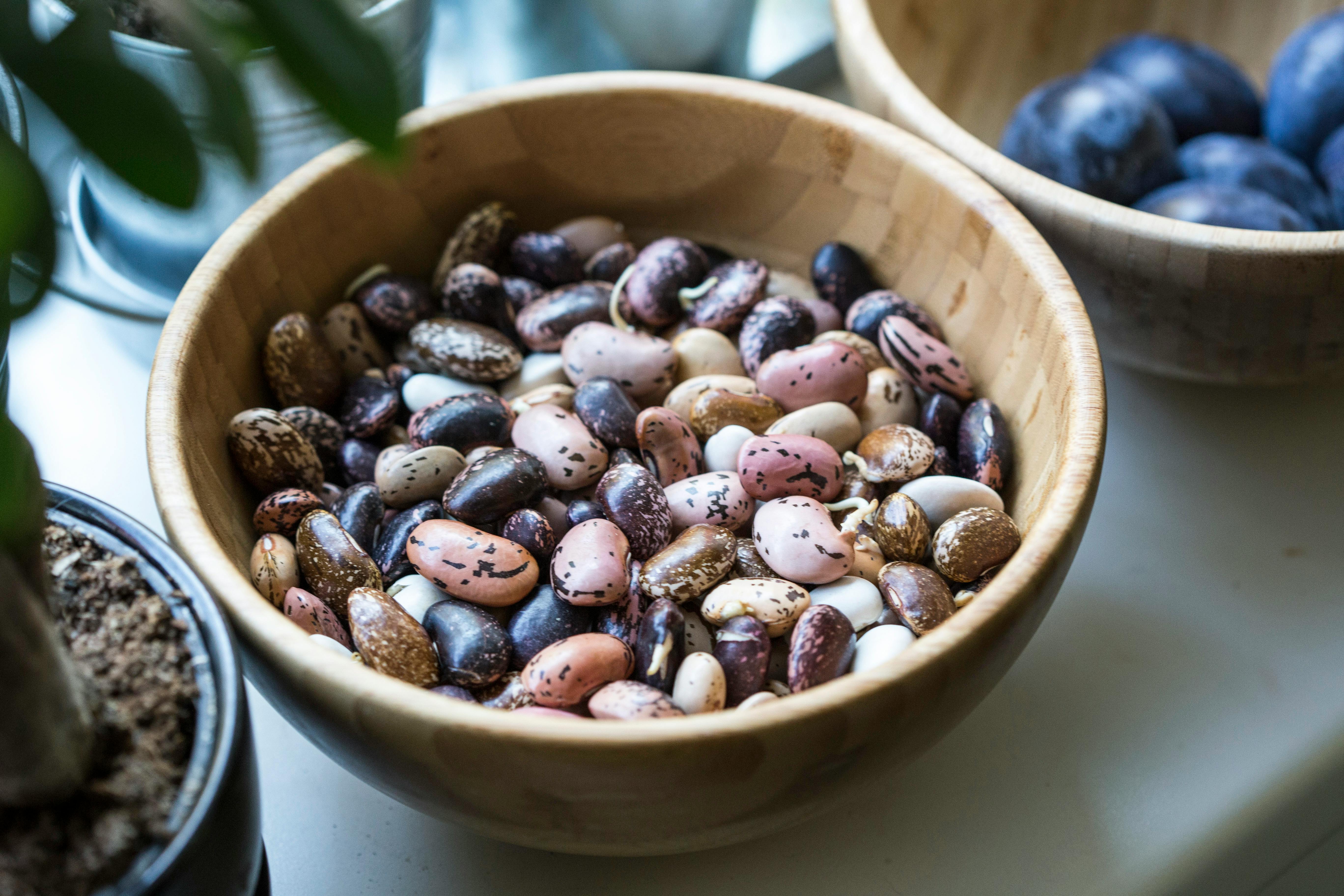
Strictly shelf-stable, this week would be rice, lentils, beans, and peanut butter only — and five dinners of that would get old fast. So this blog's pantry-week rule is practical, not purist: Cupboard: rice, dried lentils, dried black beans, peanut butter, onions. Freezer: frozen mixed vegetables. Fridge: potatoes and eggs — the two things that keep for weeks and are usually already there. Nothing fresh, nothing perishable, nothing bought this week. If it is not on the list below, it is not in the dinners.
THE PANTRY LIST (WHAT GETS USED, AND WHAT IT IS WORTH)
These are the quantities actually eaten across the five dinners — not whole packs. Where only part of a pack is used, only the part used is valued. That is the honest number: the value of the food you eat, not the price of the jar it came from.
- Rice — 2 lb — $2.24 (2 lb × $1.12/lb)
- Dried red lentils — 1 lb — $1.49
- Dried black beans — 1 lb — $1.45
- Potatoes — 2 lb — $0.92 (2 lb × $0.46/lb)
- Eggs — 6 — $1.25 ($2.49 ÷ 12 = $0.2075 per egg; 6 × $0.2075 = $1.245, rounded to $1.25)
- Peanut butter — 4 oz of a 16 oz jar — $0.50 ($1.99 × 4/16 = $0.4975, rounded to $0.50)
- Frozen mixed vegetables — 16 oz of a 32 oz bag — $0.95 ($1.89 × 16/32 = $0.945, rounded to $0.95)
- Yellow onions — 1 lb of a 2 lb bag — $0.60 ($1.19 × 1/2 = $0.595, rounded to $0.60)
Pantry value used: $2.24 + $1.49 + $1.45 + $0.92 + $1.25 + $0.50 + $0.95 + $0.60 = $9.40. New spend this week: $0. Tap water and salt are not priced — same rule as every other article on this blog. No oil is priced either: the egg fried rice night uses the eggs and a dry pan, and the other nights are water-based simmering.
How the shares split across the week — every share below adds back up to the list above: Rice: ½ + 1 + ½ = 2 lb (nights 1, 3, 5). Lentils: ½ + ½ = 1 lb (nights 2, 4). Black beans: ½ + ½ = 1 lb (nights 1, 4). Potatoes: 1 + 1 = 2 lb (nights 2, 5). Eggs: 4 + 2 = 6 (nights 3, 5). Frozen vegetables: 8 oz + 8 oz = 16 oz (nights 3, 5). Onions: ½ + ¼ + ¼ = 1 lb (nights 1, 2, 4). Peanut butter: 4 oz (night 4).
NIGHT 1: BLACK BEAN RICE BOWLS (Uses: ½ lb black beans, ½ lb rice, ½ lb onions.)
Soak the beans overnight — the one real chore of the week, and it costs nothing but foresight. Simmer the soaked beans with the diced onions until tender, salt well, and serve over rice. This is the bowl the $17.87 week built its reputation on, and it still works: filling, warm, and under 50¢ a serving on pantry value alone.
NIGHT 2: LENTIL-POTATO SOUP (Uses: ½ lb lentils, 1 lb potatoes, ¼ lb onions.)
Dice the potatoes small so they cook fast. Simmer the lentils, potatoes, and onions in water until the lentils collapse into something silky — about 25 minutes. This is the workhorse pot: thick enough to be dinner, plain enough to take salt and whatever spice is already in the cupboard.
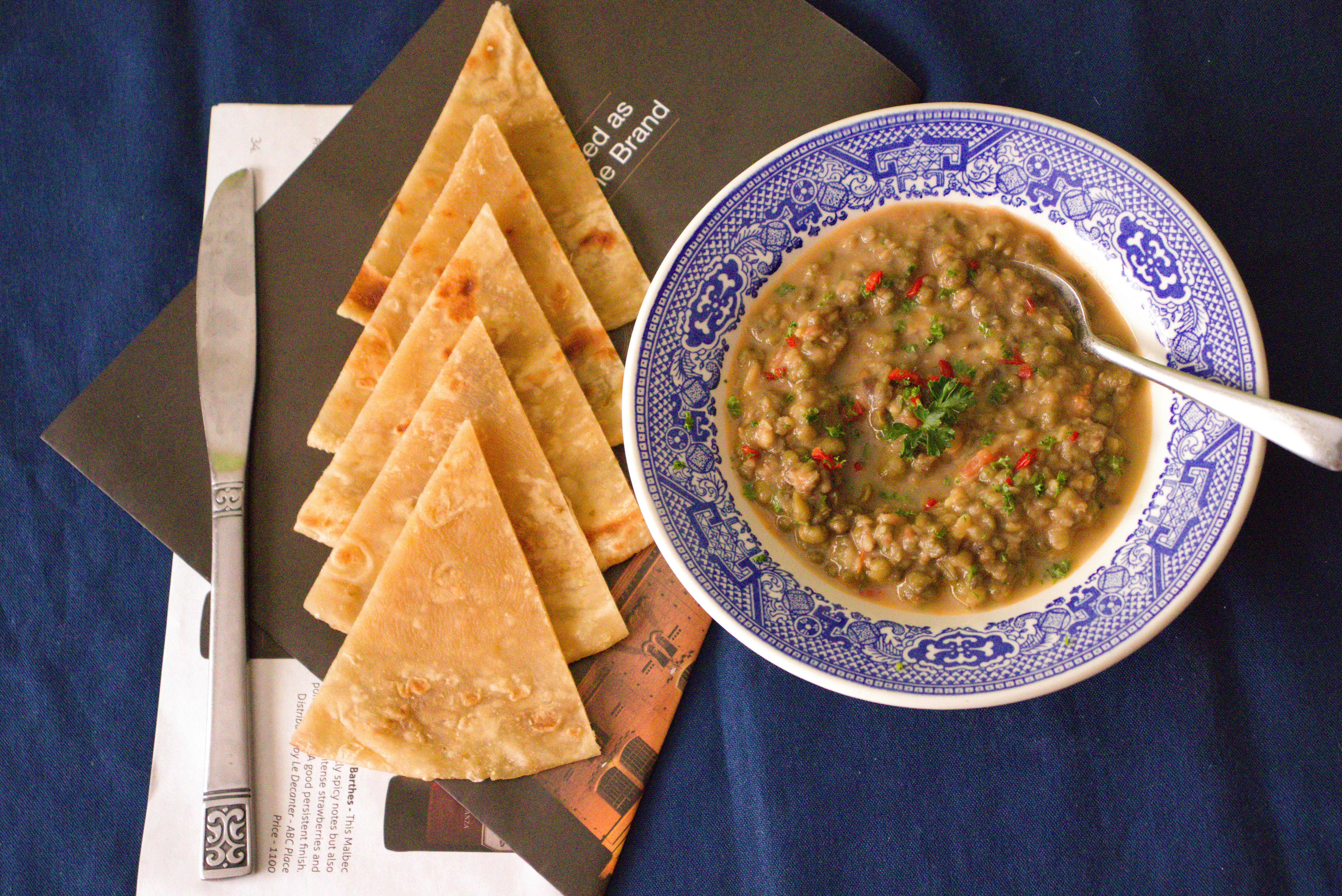
NIGHT 3: EGG FRIED RICE WITH FROZEN VEGETABLES (Uses: 1 lb rice, 4 eggs, 8 oz frozen mixed vegetables.)
Cook the rice first and let it cool — cold rice fries better than fresh. Fry the frozen vegetables hard in a dry pan, push them aside, scramble the eggs, then toss everything together with the rice. Four servings, one egg each, about 15 minutes. This is the fastest dinner of the week and the one that stops the "there is nothing to eat" feeling dead.

NIGHT 4: PEANUT LENTIL AND BEAN STEW (Uses: ½ lb lentils, ½ lb black beans, ¼ lb onions, 4 oz peanut butter.)
Simmer the lentils and pre-soaked beans with the onions until thick, then stir the peanut butter through at the end, off the heat, until it melts into the stew. The peanut butter is the whole trick: it turns a plain lentil pot into something rich without buying meat, cream, or a sauce jar. Serve as it is — no rice needed on this night, because the beans already make it thick.
NIGHT 5: POTATO EGG HASH WITH RICE AND VEGETABLES (Uses: 1 lb potatoes, ½ lb rice, 2 eggs, 8 oz frozen mixed vegetables.)
The last of everything, in one pan. Dice the potatoes small, fry until crisp at the edges, add the vegetables and the cooked rice, then scramble the eggs through at the end. Nothing left in the cupboard list, nothing wasted — and the week ends with the pan scraped clean.

PER-SERVING MATH
New spend this week: $0. Pantry value of the food eaten: $9.40. Servings: 5 dinners × 4 servings = 20. Pantry value per serving: $9.40 ÷ 20 = 47¢ per serving. Every dinner costs the same per serving on pantry value, because the week is priced as a week, not dinner by dinner — the same honest accounting this blog uses everywhere. The $0 is what leaves your wallet; the 47¢ is what the food was worth. Both numbers are true, and neither one is hidden.
WHEN TO RUN A PANTRY WEEK
Run it when the cupboard is full and the wallet is not: the week before payday, the week before a big holiday shop, or any week where a new shop would mean buying duplicates of things already on the shelf. Then shop properly the following week — a pantry week is a bridge, not a lifestyle. One week of it saves a whole shop; two weeks of it in a row would mean eating the same eight ingredients twice, and that is when a plan stops working.
Comments
Post a Comment